With atmospheric rivers repeatedly bombarding the Lower Mainland, we need to have a serious discussion about flood risk in B.C.
Reducing flood risk has never been more important. Climate change is intensifying rainfall, snowmelt, and storm events, increasing the likelihood that communities and properties across the province will face serious flooding. At the same time, forest loss and poor land-use decisions are weakening already-stressed watersheds. Together, these pressures don’t just increase flood risk — they also raise the chances of landslides, insect outbreaks, and wildfires. From rivers overflowing their banks to coastal storm surges, the flood hazard in B.C. is evolving and growing like we’ve never seen it before.
On top of that, many residents are unsure if their homes or businesses sit in flood-prone areas. Being informed about these hazards and risks is the first step in protecting both people and property from potentially devastating impacts.

Habitats Program Director Lina Azeez
What Is Flood Hazard and Flood Risk?
Let’s get nerdy for a second as we try to understand flood hazards versus flood risk.
A flood hazard refers to the potential for a flood to happen in a particular area. These hazards are mapped by the provincial government and municipalities, identifying regions that are most vulnerable to flooding rivers, storm surges, and flash flooding. Mapping flood hazards allows planners, emergency services, and homeowners to make informed decisions about development, mitigation, and preparedness.
Flood risk goes a step further. It looks at what could be harmed if flooding happens. Flood risk assesses the potential negative consequences of a flood to people, property, infrastructure and ecosystems. This is influenced by a variety of factors, including geography, proximity to rivers or the coast, urban development, and the health of the watershed. Areas near major rivers, low-lying coastal regions, and historically wet zones are particularly susceptible and would be considered high flood risk.

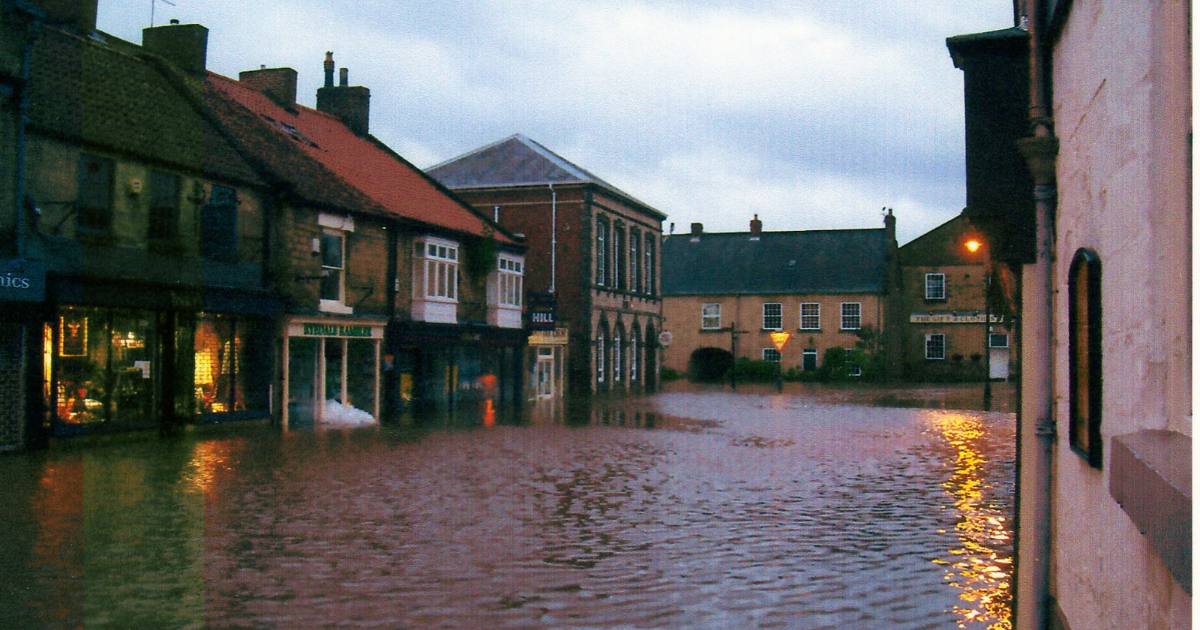
Flooded Sumas Valley, November 2021
Identifying Flood-Prone Areas in B.C.
Many parts of B.C. are considered flood-prone due to their natural and human-influenced characteristics. The Lower Mainland, Vancouver Island, and some interior river valleys such as the Nicola Valley, have historically experienced frequent flooding events. For example, the 1948 Fraser River flood and more recent atmospheric river events (2021, 2024, 2025) have shown just how severe the consequences can be for under-prepared communities.
By consulting flood hazard maps and local risk assessments, residents can determine whether their property is located in a flood-prone area and take appropriate precautions.
Flood-prone areas are not limited to rural or agricultural regions. Urban areas can face significant risks as well, especially where development has reduced the natural floodplain’s capacity to hold water. Concrete and asphalt surfaces prevent water absorption, increasing runoff and the likelihood of localized flooding. As a result, even homes and businesses in city centres may be exposed to rising flood risk if infrastructure is not designed to handle extreme events.
Why Climate Change Matters
Climate change is amplifying both the frequency and intensity of flood events in B.C. Increased precipitation, faster snowmelt, rising sea levels, and more powerful storms all contribute to greater flood hazard across the province. Areas once considered low-risk and safe due to dikes and extensive drainage systems such as Pitt Meadows, Chilliwack and Mission, are now being reclassified as flood-prone. Understanding how climate change affects flood risk is critical for long-term planning, from municipal infrastructure projects to individual home preparedness measures.
By identifying flood-prone areas, understanding flood hazards, and recognizing flood risk, residents, municipalities, and businesses can take proactive steps to reduce damage, protect people and property, and recover more quickly after floods.
Flood Risk, Flood Hazard, and Salmon Habitat in B.C.
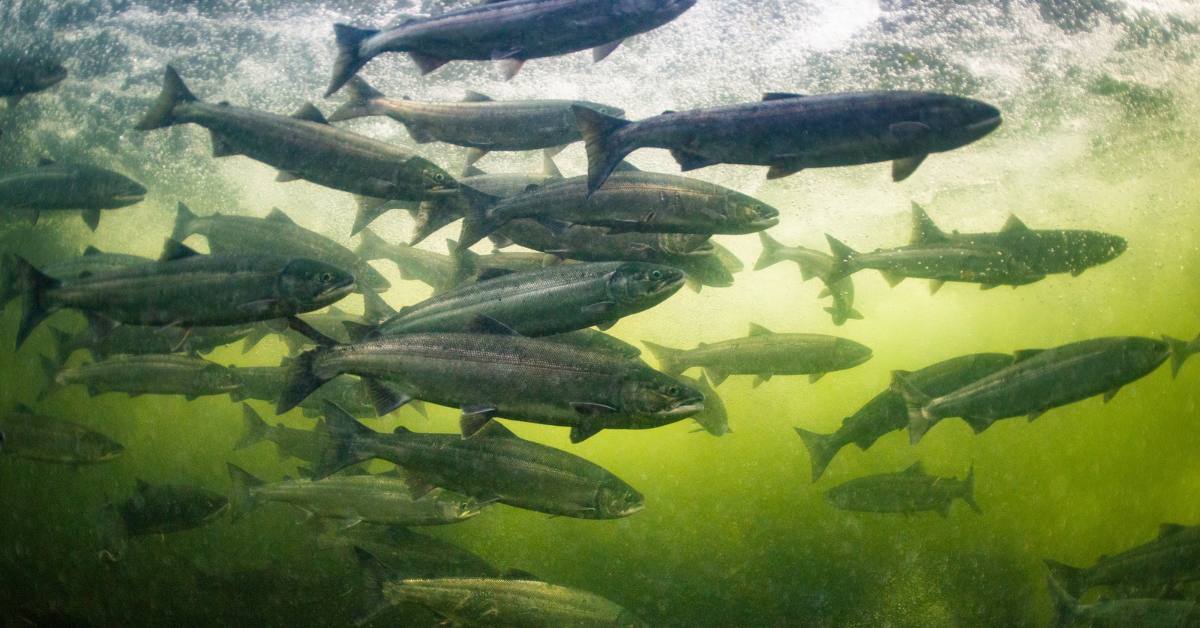
Let’s not forget about B.C.’s salmon! Flooding in B.C. doesn’t just threaten communities and property, it also has profound impacts on wild salmon and their habitats. Rivers and floodplains provide critical spawning and rearing areas for salmon, but these ecosystems are highly sensitive to changes in water flow, sediment deposition, and water quality.
When a flood event occurs, such as from heavy rainfall or river overflow, the altered flow can scour spawning beds, wash away eggs, or deposit excess sediment that smothers fertilized eggs and young salmon.
In addition, flood control structures, like dikes, pump stations, and channelized waterways, can reduce the natural connectivity of floodplains, limiting access by salmon to their most essential rearing habitats.
While such structures reduce flood risk for humans, they often shift ecological consequences downstream or to other areas, creating additional stress on salmon populations who end up having less and less accessible habitats.

A fish-friendly sluice-style floodgate


Setback dikes and dike breaches are two examples of nature-based flood solutions.
Nature-based flood mitigation approaches, such as floodplain restoration and wetland creation, offer two benefits: they reduce flood risk to people while enhancing salmon habitat. By allowing rivers to reconnect with their natural floodplains during high-water events, these measures absorb floodwaters, provide rich, productive habitat for salmon and reduce damage to homes and infrastructure. Protecting and restoring these flood-prone ecosystems is essential for both community resilience and the long-term survival of B.C.’s wild salmon.
How to Assess Your Flood Risk
Understanding your flood risk is essential for protecting your home, business, and community. Fortunately, there are several resources available to help residents in B.C. identify whether they live in a flood-prone area.

Joe’s Lake in Deroche received a new, fish-friendly floodgate in 2024.
Check official flood hazard maps: The Government of B.C. and many municipalities provide flood hazard maps that identify areas vulnerable to riverine flooding, storm surges, and other flood events. These maps show zones classified by risk level, helping property owners understand their exposure. Websites like PreparedBC and local municipal portals offer interactive maps and downloadable PDFs.
Ask your local government: City planning or engineering departments can tell you whether your home is in a floodplain, what flood protection infrastructure exists, and whether development rules apply.
Review your property documents: Floodplain status is sometimes noted on titles, survey plans, or sale disclosures. Ask your realtor or check your home purchase records.
Talk to your insurance provider: Even if you’re not required to carry flood insurance, your insurer can usually confirm if your home is in a high-risk zone.
Think like water and look for physical or historical clues: Are you near a river, creek, or lake? Do certain areas pool water during heavy rain, spring melt, or king tides? Ask longtime residents about past floods—or imagine what the land looked like before all the roads and buildings.
Conduct a Professional Assessment: For more precise information, especially for high-value properties or development projects, consider hiring a certified flood risk assessor. Professionals can evaluate flood hazards, historical data, topography, and drainage patterns to determine the specific vulnerability of a property.
Use technology and tools: Several digital tools can help residents monitor flood risk in real time, including alert systems for rivers, coastal zones, and weather events. Mobile apps and GIS platforms can provide notifications for areas classified as flood-prone, giving homeowners the ability to act quickly during emergencies.
Mitigation and preparedness measures: Once you understand your flood risk and whether your property is flood-prone, it’s important to take action to reduce potential damage. Mitigation strategies range from simple home-level precautions to large-scale community planning.
Home-Level Actions
- Flood-proofing your property: Elevate electrical systems, seal basements, and install backflow preventers.
- Sandbagging and barriers: Temporary barriers can divert water away from homes during heavy rain or river overflow.
- Landscaping adjustments: Create rain gardens or bioswales to absorb runoff and reduce surface flooding.
- Insurance: Ensure adequate flood coverage through private or municipal programs, especially if living in flood-prone zones.

Rain gardens can absorb precipitation and reduce the risk of localized flooding
Community-Level Actions
- Dike upgrades: Strengthening existing infrastructure can reduce the overall flood hazard in urban and agricultural areas.
- Wetland and floodplain restoration: Nature-based solutions, such as restoring wetlands or creating setback zones along rivers, help absorb floodwaters naturally.
- Stormwater management systems: Retention ponds, green roofs, and permeable surfaces reduce urban runoff.
- Emergency response planning: Municipalities can develop evacuation routes and early warning systems for high-risk neighbourhoods.

Photo: BC Wildlife Federation Watershed Team
Landscape-level Actions
- Restore and reconnect floodplains: Increase space for water by setting dikes back from hard edges using floodplain reconnection and “room for river” designs. This reduces flood hazards, slows flow velocity, and revives natural fish habitat.
- Keep more trees on the land: Loss of forest cover, whether through clearcut logging, wildfire and insect infestation, causes snow to melt faster, which causes more intense flooding to happen more often.
- Build and rehabilitate wetlands and marsh corridors: Wetlands act as natural sponges at the landscape scale. Protecting and restoring wetland networks absorbs peak flows, filters runoff, stores carbon, and provides refuge during atmospheric rivers and flood events.
- Protect and expand riparian forest buffers: Riparian forests reduce flood risk by stabilizing banks, slowing overland flow, and regulating water temperature. Wide, native vegetated buffers also block pollutants from entering waterways, safeguarding spawning habitat.
- Deploy natural water retention systems upstream: Use beaver-enabled restoration, hillside reforestation, and soil-infiltration enhancements to hold water higher in the watershed before it becomes a flood hazard downstream. This delays runoff and increases baseflows.
- Plan landscape drainage to mimic natural hydrology: On farms and rural floodplains, use bioswales, infiltration basins, flood-tolerant native grasses, and setback berms to distribute and sink water rather than moving it quickly into channels. This reduces flood hazards while enriching soils and habitat.
Conclusion
As atmospheric rivers become more frequent in our lives, it’s important to understand flood risk, know how to identify flood hazards, and recognize flood-prone areas across B.C. This is crucial for protecting lives, property, communities and salmon habitats. With climate change amplifying extreme weather events, proactive measures ranging from home-level preparedness to community infrastructure upgrades and better watershed and forest management are more important than ever. Stay informed, consult official maps, take action to reduce flood risk where you can, and above all, let your elected representatives know you are serious about safeguarding your community against the growing threat of flooding while also protecting vital ecosystems that support our natural abundance.
Share This Story!
With atmospheric rivers repeatedly bombarding the Lower Mainland, we need to have a serious discussion about flood risk in B.C.
Reducing flood risk has never been more important. Climate change is intensifying rainfall, snowmelt, and storm events, increasing the likelihood that communities and properties across the province will face serious flooding. At the same time, forest loss and poor land-use decisions are weakening already-stressed watersheds. Together, these pressures don’t just increase flood risk — they also raise the chances of landslides, insect outbreaks, and wildfires. From rivers overflowing their banks to coastal storm surges, the flood hazard in B.C. is evolving and growing like we’ve never seen it before.
On top of that, many residents are unsure if their homes or businesses sit in flood-prone areas. Being informed about these hazards and risks is the first step in protecting both people and property from potentially devastating impacts.
Habitats Program Director Lina Azeez
What Is Flood Hazard and Flood Risk?
Let’s get nerdy for a second as we try to understand flood hazards versus flood risk.
A flood hazard refers to the potential for a flood to happen in a particular area. These hazards are mapped by the provincial government and municipalities, identifying regions that are most vulnerable to flooding rivers, storm surges, and flash flooding. Mapping flood hazards allows planners, emergency services, and homeowners to make informed decisions about development, mitigation, and preparedness.
Flood risk goes a step further. It looks at what could be harmed if flooding happens. Flood risk assesses the potential negative consequences of a flood to people, property, infrastructure and ecosystems. This is influenced by a variety of factors, including geography, proximity to rivers or the coast, urban development, and the health of the watershed. Areas near major rivers, low-lying coastal regions, and historically wet zones are particularly susceptible and would be considered high flood risk.
Flooded Sumas Valley, November 2021
Identifying Flood-Prone Areas in B.C.
Many parts of B.C. are considered flood-prone due to their natural and human-influenced characteristics. The Lower Mainland, Vancouver Island, and some interior river valleys such as the Nicola Valley, have historically experienced frequent flooding events. For example, the 1948 Fraser River flood and more recent atmospheric river events (2021, 2024, 2025) have shown just how severe the consequences can be for under-prepared communities.
By consulting flood hazard maps and local risk assessments, residents can determine whether their property is located in a flood-prone area and take appropriate precautions.
Flood-prone areas are not limited to rural or agricultural regions. Urban areas can face significant risks as well, especially where development has reduced the natural floodplain’s capacity to hold water. Concrete and asphalt surfaces prevent water absorption, increasing runoff and the likelihood of localized flooding. As a result, even homes and businesses in city centres may be exposed to rising flood risk if infrastructure is not designed to handle extreme events.
Why Climate Change Matters
Climate change is amplifying both the frequency and intensity of flood events in B.C. Increased precipitation, faster snowmelt, rising sea levels, and more powerful storms all contribute to greater flood hazard across the province. Areas once considered low-risk and safe due to dikes and extensive drainage systems such as Pitt Meadows, Chilliwack and Mission, are now being reclassified as flood-prone. Understanding how climate change affects flood risk is critical for long-term planning, from municipal infrastructure projects to individual home preparedness measures.
By identifying flood-prone areas, understanding flood hazards, and recognizing flood risk, residents, municipalities, and businesses can take proactive steps to reduce damage, protect people and property, and recover more quickly after floods.
Flood Risk, Flood Hazard, and Salmon Habitat in B.C.
Let’s not forget about B.C.’s salmon! Flooding in B.C. doesn’t just threaten communities and property, it also has profound impacts on wild salmon and their habitats. Rivers and floodplains provide critical spawning and rearing areas for salmon, but these ecosystems are highly sensitive to changes in water flow, sediment deposition, and water quality.
When a flood event occurs, such as from heavy rainfall or river overflow, the altered flow can scour spawning beds, wash away eggs, or deposit excess sediment that smothers fertilized eggs and young salmon.
In addition, flood control structures, like dikes, pump stations, and channelized waterways, can reduce the natural connectivity of floodplains, limiting access by salmon to their most essential rearing habitats.
While such structures reduce flood risk for humans, they often shift ecological consequences downstream or to other areas, creating additional stress on salmon populations who end up having less and less accessible habitats.
A fish-friendly sluice-style floodgate
Setback dikes and dike breaches are two examples of nature-based flood solutions.
Nature-based flood mitigation approaches, such as floodplain restoration and wetland creation, offer two benefits: they reduce flood risk to people while enhancing salmon habitat. By allowing rivers to reconnect with their natural floodplains during high-water events, these measures absorb floodwaters, provide rich, productive habitat for salmon and reduce damage to homes and infrastructure. Protecting and restoring these flood-prone ecosystems is essential for both community resilience and the long-term survival of B.C.’s wild salmon.
How to Assess Your Flood Risk
Understanding your flood risk is essential for protecting your home, business, and community. Fortunately, there are several resources available to help residents in B.C. identify whether they live in a flood-prone area.
Joe’s Lake in Deroche received a new, fish-friendly floodgate in 2024.
Check official flood hazard maps: The Government of B.C. and many municipalities provide flood hazard maps that identify areas vulnerable to riverine flooding, storm surges, and other flood events. These maps show zones classified by risk level, helping property owners understand their exposure. Websites like PreparedBC and local municipal portals offer interactive maps and downloadable PDFs.
Ask your local government: City planning or engineering departments can tell you whether your home is in a floodplain, what flood protection infrastructure exists, and whether development rules apply.
Review your property documents: Floodplain status is sometimes noted on titles, survey plans, or sale disclosures. Ask your realtor or check your home purchase records.
Talk to your insurance provider: Even if you’re not required to carry flood insurance, your insurer can usually confirm if your home is in a high-risk zone.
Think like water and look for physical or historical clues: Are you near a river, creek, or lake? Do certain areas pool water during heavy rain, spring melt, or king tides? Ask longtime residents about past floods—or imagine what the land looked like before all the roads and buildings.
Conduct a Professional Assessment: For more precise information, especially for high-value properties or development projects, consider hiring a certified flood risk assessor. Professionals can evaluate flood hazards, historical data, topography, and drainage patterns to determine the specific vulnerability of a property.
Use technology and tools: Several digital tools can help residents monitor flood risk in real time, including alert systems for rivers, coastal zones, and weather events. Mobile apps and GIS platforms can provide notifications for areas classified as flood-prone, giving homeowners the ability to act quickly during emergencies.
Mitigation and preparedness measures: Once you understand your flood risk and whether your property is flood-prone, it’s important to take action to reduce potential damage. Mitigation strategies range from simple home-level precautions to large-scale community planning.
Home-Level Actions
- Flood-proofing your property: Elevate electrical systems, seal basements, and install backflow preventers.
- Sandbagging and barriers: Temporary barriers can divert water away from homes during heavy rain or river overflow.
- Landscaping adjustments: Create rain gardens or bioswales to absorb runoff and reduce surface flooding.
- Insurance: Ensure adequate flood coverage through private or municipal programs, especially if living in flood-prone zones.
Rain gardens can absorb precipitation and reduce the risk of localized flooding
Community-Level Actions
- Dike upgrades: Strengthening existing infrastructure can reduce the overall flood hazard in urban and agricultural areas.
- Wetland and floodplain restoration: Nature-based solutions, such as restoring wetlands or creating setback zones along rivers, help absorb floodwaters naturally.
- Stormwater management systems: Retention ponds, green roofs, and permeable surfaces reduce urban runoff.
- Emergency response planning: Municipalities can develop evacuation routes and early warning systems for high-risk neighbourhoods.
Photo: BC Wildlife Federation Watershed Team
Landscape-level Actions
- Restore and reconnect floodplains: Increase space for water by setting dikes back from hard edges using floodplain reconnection and “room for river” designs. This reduces flood hazards, slows flow velocity, and revives natural fish habitat.
- Keep more trees on the land: Loss of forest cover, whether through clearcut logging, wildfire and insect infestation, causes snow to melt faster, which causes more intense flooding to happen more often.
- Build and rehabilitate wetlands and marsh corridors: Wetlands act as natural sponges at the landscape scale. Protecting and restoring wetland networks absorbs peak flows, filters runoff, stores carbon, and provides refuge during atmospheric rivers and flood events.
- Protect and expand riparian forest buffers: Riparian forests reduce flood risk by stabilizing banks, slowing overland flow, and regulating water temperature. Wide, native vegetated buffers also block pollutants from entering waterways, safeguarding spawning habitat.
- Deploy natural water retention systems upstream: Use beaver-enabled restoration, hillside reforestation, and soil-infiltration enhancements to hold water higher in the watershed before it becomes a flood hazard downstream. This delays runoff and increases baseflows.
- Plan landscape drainage to mimic natural hydrology: On farms and rural floodplains, use bioswales, infiltration basins, flood-tolerant native grasses, and setback berms to distribute and sink water rather than moving it quickly into channels. This reduces flood hazards while enriching soils and habitat.
Conclusion
As atmospheric rivers become more frequent in our lives, it’s important to understand flood risk, know how to identify flood hazards, and recognize flood-prone areas across B.C. This is crucial for protecting lives, property, communities and salmon habitats. With climate change amplifying extreme weather events, proactive measures ranging from home-level preparedness to community infrastructure upgrades and better watershed and forest management are more important than ever. Stay informed, consult official maps, take action to reduce flood risk where you can, and above all, let your elected representatives know you are serious about safeguarding your community against the growing threat of flooding while also protecting vital ecosystems that support our natural abundance.
Share This Story!
With atmospheric rivers repeatedly bombarding the Lower Mainland, we need to have a serious discussion about flood risk in B.C.
Reducing flood risk has never been more important. Climate change is intensifying rainfall, snowmelt, and storm events, increasing the likelihood that communities and properties across the province will face serious flooding. At the same time, forest loss and poor land-use decisions are weakening already-stressed watersheds. Together, these pressures don’t just increase flood risk — they also raise the chances of landslides, insect outbreaks, and wildfires. From rivers overflowing their banks to coastal storm surges, the flood hazard in B.C. is evolving and growing like we’ve never seen it before.
On top of that, many residents are unsure if their homes or businesses sit in flood-prone areas. Being informed about these hazards and risks is the first step in protecting both people and property from potentially devastating impacts.
Habitats Program Director Lina Azeez
What Is Flood Hazard and Flood Risk?
Let’s get nerdy for a second as we try to understand flood hazards versus flood risk.
A flood hazard refers to the potential for a flood to happen in a particular area. These hazards are mapped by the provincial government and municipalities, identifying regions that are most vulnerable to flooding rivers, storm surges, and flash flooding. Mapping flood hazards allows planners, emergency services, and homeowners to make informed decisions about development, mitigation, and preparedness.
Flood risk goes a step further. It looks at what could be harmed if flooding happens. Flood risk assesses the potential negative consequences of a flood to people, property, infrastructure and ecosystems. This is influenced by a variety of factors, including geography, proximity to rivers or the coast, urban development, and the health of the watershed. Areas near major rivers, low-lying coastal regions, and historically wet zones are particularly susceptible and would be considered high flood risk.
Flooded Sumas Valley, November 2021
Identifying Flood-Prone Areas in B.C.
Many parts of B.C. are considered flood-prone due to their natural and human-influenced characteristics. The Lower Mainland, Vancouver Island, and some interior river valleys such as the Nicola Valley, have historically experienced frequent flooding events. For example, the 1948 Fraser River flood and more recent atmospheric river events (2021, 2024, 2025) have shown just how severe the consequences can be for under-prepared communities.
By consulting flood hazard maps and local risk assessments, residents can determine whether their property is located in a flood-prone area and take appropriate precautions.
Flood-prone areas are not limited to rural or agricultural regions. Urban areas can face significant risks as well, especially where development has reduced the natural floodplain’s capacity to hold water. Concrete and asphalt surfaces prevent water absorption, increasing runoff and the likelihood of localized flooding. As a result, even homes and businesses in city centres may be exposed to rising flood risk if infrastructure is not designed to handle extreme events.
Why Climate Change Matters
Climate change is amplifying both the frequency and intensity of flood events in B.C. Increased precipitation, faster snowmelt, rising sea levels, and more powerful storms all contribute to greater flood hazard across the province. Areas once considered low-risk and safe due to dikes and extensive drainage systems such as Pitt Meadows, Chilliwack and Mission, are now being reclassified as flood-prone. Understanding how climate change affects flood risk is critical for long-term planning, from municipal infrastructure projects to individual home preparedness measures.
By identifying flood-prone areas, understanding flood hazards, and recognizing flood risk, residents, municipalities, and businesses can take proactive steps to reduce damage, protect people and property, and recover more quickly after floods.
Flood Risk, Flood Hazard, and Salmon Habitat in B.C.
Let’s not forget about B.C.’s salmon! Flooding in B.C. doesn’t just threaten communities and property, it also has profound impacts on wild salmon and their habitats. Rivers and floodplains provide critical spawning and rearing areas for salmon, but these ecosystems are highly sensitive to changes in water flow, sediment deposition, and water quality.
When a flood event occurs, such as from heavy rainfall or river overflow, the altered flow can scour spawning beds, wash away eggs, or deposit excess sediment that smothers fertilized eggs and young salmon.
In addition, flood control structures, like dikes, pump stations, and channelized waterways, can reduce the natural connectivity of floodplains, limiting access by salmon to their most essential rearing habitats.
While such structures reduce flood risk for humans, they often shift ecological consequences downstream or to other areas, creating additional stress on salmon populations who end up having less and less accessible habitats.
A fish-friendly sluice-style floodgate
Setback dikes and dike breaches are two examples of nature-based flood solutions.
Nature-based flood mitigation approaches, such as floodplain restoration and wetland creation, offer two benefits: they reduce flood risk to people while enhancing salmon habitat. By allowing rivers to reconnect with their natural floodplains during high-water events, these measures absorb floodwaters, provide rich, productive habitat for salmon and reduce damage to homes and infrastructure. Protecting and restoring these flood-prone ecosystems is essential for both community resilience and the long-term survival of B.C.’s wild salmon.
How to Assess Your Flood Risk
Understanding your flood risk is essential for protecting your home, business, and community. Fortunately, there are several resources available to help residents in B.C. identify whether they live in a flood-prone area.
Joe’s Lake in Deroche received a new, fish-friendly floodgate in 2024.
Check official flood hazard maps: The Government of B.C. and many municipalities provide flood hazard maps that identify areas vulnerable to riverine flooding, storm surges, and other flood events. These maps show zones classified by risk level, helping property owners understand their exposure. Websites like PreparedBC and local municipal portals offer interactive maps and downloadable PDFs.
Ask your local government: City planning or engineering departments can tell you whether your home is in a floodplain, what flood protection infrastructure exists, and whether development rules apply.
Review your property documents: Floodplain status is sometimes noted on titles, survey plans, or sale disclosures. Ask your realtor or check your home purchase records.
Talk to your insurance provider: Even if you’re not required to carry flood insurance, your insurer can usually confirm if your home is in a high-risk zone.
Think like water and look for physical or historical clues: Are you near a river, creek, or lake? Do certain areas pool water during heavy rain, spring melt, or king tides? Ask longtime residents about past floods—or imagine what the land looked like before all the roads and buildings.
Conduct a Professional Assessment: For more precise information, especially for high-value properties or development projects, consider hiring a certified flood risk assessor. Professionals can evaluate flood hazards, historical data, topography, and drainage patterns to determine the specific vulnerability of a property.
Use technology and tools: Several digital tools can help residents monitor flood risk in real time, including alert systems for rivers, coastal zones, and weather events. Mobile apps and GIS platforms can provide notifications for areas classified as flood-prone, giving homeowners the ability to act quickly during emergencies.
Mitigation and preparedness measures: Once you understand your flood risk and whether your property is flood-prone, it’s important to take action to reduce potential damage. Mitigation strategies range from simple home-level precautions to large-scale community planning.
Home-Level Actions
- Flood-proofing your property: Elevate electrical systems, seal basements, and install backflow preventers.
- Sandbagging and barriers: Temporary barriers can divert water away from homes during heavy rain or river overflow.
- Landscaping adjustments: Create rain gardens or bioswales to absorb runoff and reduce surface flooding.
- Insurance: Ensure adequate flood coverage through private or municipal programs, especially if living in flood-prone zones.
Rain gardens can absorb precipitation and reduce the risk of localized flooding
Community-Level Actions
- Dike upgrades: Strengthening existing infrastructure can reduce the overall flood hazard in urban and agricultural areas.
- Wetland and floodplain restoration: Nature-based solutions, such as restoring wetlands or creating setback zones along rivers, help absorb floodwaters naturally.
- Stormwater management systems: Retention ponds, green roofs, and permeable surfaces reduce urban runoff.
- Emergency response planning: Municipalities can develop evacuation routes and early warning systems for high-risk neighbourhoods.
Photo: BC Wildlife Federation Watershed Team
Landscape-level Actions
- Restore and reconnect floodplains: Increase space for water by setting dikes back from hard edges using floodplain reconnection and “room for river” designs. This reduces flood hazards, slows flow velocity, and revives natural fish habitat.
- Keep more trees on the land: Loss of forest cover, whether through clearcut logging, wildfire and insect infestation, causes snow to melt faster, which causes more intense flooding to happen more often.
- Build and rehabilitate wetlands and marsh corridors: Wetlands act as natural sponges at the landscape scale. Protecting and restoring wetland networks absorbs peak flows, filters runoff, stores carbon, and provides refuge during atmospheric rivers and flood events.
- Protect and expand riparian forest buffers: Riparian forests reduce flood risk by stabilizing banks, slowing overland flow, and regulating water temperature. Wide, native vegetated buffers also block pollutants from entering waterways, safeguarding spawning habitat.
- Deploy natural water retention systems upstream: Use beaver-enabled restoration, hillside reforestation, and soil-infiltration enhancements to hold water higher in the watershed before it becomes a flood hazard downstream. This delays runoff and increases baseflows.
- Plan landscape drainage to mimic natural hydrology: On farms and rural floodplains, use bioswales, infiltration basins, flood-tolerant native grasses, and setback berms to distribute and sink water rather than moving it quickly into channels. This reduces flood hazards while enriching soils and habitat.
Conclusion
As atmospheric rivers become more frequent in our lives, it’s important to understand flood risk, know how to identify flood hazards, and recognize flood-prone areas across B.C. This is crucial for protecting lives, property, communities and salmon habitats. With climate change amplifying extreme weather events, proactive measures ranging from home-level preparedness to community infrastructure upgrades and better watershed and forest management are more important than ever. Stay informed, consult official maps, take action to reduce flood risk where you can, and above all, let your elected representatives know you are serious about safeguarding your community against the growing threat of flooding while also protecting vital ecosystems that support our natural abundance.
Share This Story!