Gravel mining, governance, and the future of flood management in the Lower Fraser River
September 18, 2025
By: Erin Stakiw
Gravel mining, governance, and the future of flood management in the Lower Fraser River
September 18, 2025
By: Erin Stakiw
When I first began researching gravel mining in the Lower Fraser River, I assumed something as serious as this must have strict oversight and management. Surely, if salmon habitat and communities are at stake from flooding, the science and regulations would be tightly aligned!
That assumption didn’t last long.
Gravel removal might create space for water, but research shows its benefits are usually short-term, minimal and localized.
For my Master of Land and Water Systems project, I wanted to know whether gravel removal truly works for flood management and to understand the policy around this practice. Along the way, I found myself pulled into a story far more tangled than I expected.
Flood management in B.C. has historically been rooted in a “defensive” mindset: build dikes, dig channels, drain wetlands, remove sediment. The belief is that if we control water, we control risk… but rivers aren’t static.
Gravel removal might create space for water, but research shows its benefits are usually short-term, minimal and localized. Poorly planned removals can deepen channels and drop water levels, destabilize river banks, and increase flood vulnerability downstream.
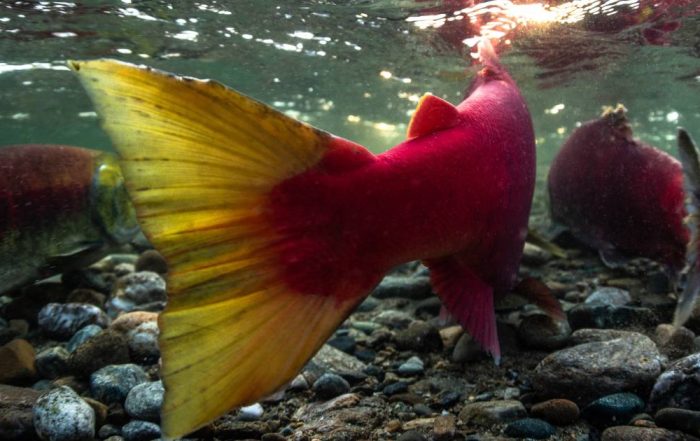
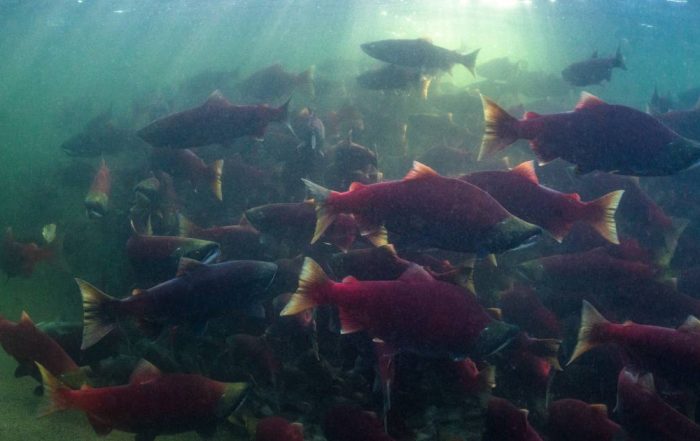
The ecological costs are sobering. Gravel removal disturbs salmon spawning beds, strips away woody debris reducing shelter for fish, and erodes habitat diversity that fish and invertebrates rely on at every stage. Recovery can take years—or never fully happen. A few projects show impacts can be minimized, but far more case studies tell another story: weak oversight has led to habitat loss, fish kills, and long-term consequences such as increased flood risk, erosion and degraded water quality that were entirely preventable.
So why does gravel mining continue? It may not sound flashy, but governance is where the answers lie. Flood and sediment management in the Lower Fraser involves a patchwork of federal, provincial, and local agencies. This fragmented structure creates gaps in accountability. No single body is tasked with balancing flood protection and habitat health. Indigenous governments are excluded from this network. Instead, they are consulted through Crown-led processes, often via non-binding “Letters of Advice” with no enforceable conditions.
…weak oversight has led to habitat loss, fish kills, and long-term consequences such as increased flood risk, erosion and degraded water quality that were entirely preventable.

Piles of gravel from in-river gravel mining.
This exclusion is a major governance failure. Decisions that directly affect Indigenous rights and cultural continuity are still being made without true power-sharing. A century ago, ignoring the fact that Stó:lō people lived around Sumas Lake and were in active relationship with the Lake, it was drained and diked, causing a knock-on effect that reverberates to this day. The lake bed was settled by farmers who, many decades and a few generations later, have no memory of it ever being a lake, and the Nations, pushed to the edges, carry stories and memories of the lake as their bread basket and grocery store, with hopes of one day seeing even a small portion of the lake naturalized. Today, Stó:lō communities are still navigating systems that consult without actually sharing decision-making power.
The issue is complicated further by the Lower Fraser’s role as a major source of aggregate (e.g., sand and gravel), which supplies B.C.’s construction industry and fuels urban growth. Gravel mining is presented as flood protection while also providing material for development. That overlap muddies intentions and makes accountability harder, especially when industry interests are tied to local economies.
As I wrapped up my project, I kept coming back to one question: what if we stopped fighting rivers and started working with them? Nature-based solutions (e.g., restoring wetlands, reconnecting side channels, building with green infrastructure) aren’t a quick fix, but they are forward-looking in a way gravel mining is not.
This journey left me with more questions than answers. But one thing is clear: how we manage floods in the Lower Fraser is about more than hydrology. It’s about governance, equity, and what we choose to value in the face of growing climate uncertainty and ecosystem collapse.
Erin Stakiw is a recent graduate from the Master of Land and Food Systems Program from the UBC Faculty of Land and Food Systems. She completed her capstone project on the topic of Gravel Mining, Governance, and the Future of Flood Management in the Lower Fraser. Click here to access Erin’s report.
Share This Story!
Gravel mining, governance, and the future of flood management in the Lower Fraser River
September 18, 2025
By: Erin Stakiw
Gravel mining, governance, and the future of flood management in the Lower Fraser River
September 18, 2025
By: Erin Stakiw
When I first began researching gravel mining in the Lower Fraser River, I assumed something as serious as this must have strict oversight and management. Surely, if salmon habitat and communities are at stake from flooding, the science and regulations would be tightly aligned!
That assumption didn’t last long.
Gravel removal might create space for water, but research shows its benefits are usually short-term, minimal and localized.
For my Master of Land and Water Systems project, I wanted to know whether gravel removal truly works for flood management and to understand the policy around this practice. Along the way, I found myself pulled into a story far more tangled than I expected.
Flood management in B.C. has historically been rooted in a “defensive” mindset: build dikes, dig channels, drain wetlands, remove sediment. The belief is that if we control water, we control risk… but rivers aren’t static.
Gravel removal might create space for water, but research shows its benefits are usually short-term, minimal and localized. Poorly planned removals can deepen channels and drop water levels, destabilize river banks, and increase flood vulnerability downstream.
The ecological costs are sobering. Gravel removal disturbs salmon spawning beds, strips away woody debris reducing shelter for fish, and erodes habitat diversity that fish and invertebrates rely on at every stage. Recovery can take years—or never fully happen. A few projects show impacts can be minimized, but far more case studies tell another story: weak oversight has led to habitat loss, fish kills, and long-term consequences such as increased flood risk, erosion and degraded water quality that were entirely preventable.
So why does gravel mining continue? It may not sound flashy, but governance is where the answers lie. Flood and sediment management in the Lower Fraser involves a patchwork of federal, provincial, and local agencies. This fragmented structure creates gaps in accountability. No single body is tasked with balancing flood protection and habitat health. Indigenous governments are excluded from this network. Instead, they are consulted through Crown-led processes, often via non-binding “Letters of Advice” with no enforceable conditions.
…weak oversight has led to habitat loss, fish kills, and long-term consequences such as increased flood risk, erosion and degraded water quality that were entirely preventable.
Piles of gravel from in-river gravel mining.
This exclusion is a major governance failure. Decisions that directly affect Indigenous rights and cultural continuity are still being made without true power-sharing. A century ago, ignoring the fact that Stó:lō people lived around Sumas Lake and were in active relationship with the Lake, it was drained and diked, causing a knock-on effect that reverberates to this day. The lake bed was settled by farmers who, many decades and a few generations later, have no memory of it ever being a lake, and the Nations, pushed to the edges, carry stories and memories of the lake as their bread basket and grocery store, with hopes of one day seeing even a small portion of the lake naturalized. Today, Stó:lō communities are still navigating systems that consult without actually sharing decision-making power.
The issue is complicated further by the Lower Fraser’s role as a major source of aggregate (e.g., sand and gravel), which supplies B.C.’s construction industry and fuels urban growth. Gravel mining is presented as flood protection while also providing material for development. That overlap muddies intentions and makes accountability harder, especially when industry interests are tied to local economies.
As I wrapped up my project, I kept coming back to one question: what if we stopped fighting rivers and started working with them? Nature-based solutions (e.g., restoring wetlands, reconnecting side channels, building with green infrastructure) aren’t a quick fix, but they are forward-looking in a way gravel mining is not.
This journey left me with more questions than answers. But one thing is clear: how we manage floods in the Lower Fraser is about more than hydrology. It’s about governance, equity, and what we choose to value in the face of growing climate uncertainty and ecosystem collapse.
Erin Stakiw is a recent graduate from the Master of Land and Food Systems Program from the UBC Faculty of Land and Food Systems. She completed her capstone project on the topic of Gravel Mining, Governance, and the Future of Flood Management in the Lower Fraser. Click here to access Erin’s report.