Ahead of B.C.’s October 24 provincial election, we’ve gathered platform commitments relevant to wild salmon and their habitasts from four parties. The excerpts below are reproduced in the parties’ own words. Click the links below to navigate to a specific party or learn more about how to vote.
Jump to:
BC Greens | BC NDP | CentreBC | Conservative Party of BC | How to vote
BC Green Party
Water
- Put a moratorium on the construction and operation of AI data centres until a detailed public-interest audit is developed and an appropriate regulatory regime is implemented. This will include consideration of access to electricity and other public resources, the economic value created in BC alongside electricity and water use, impacts on communities and the environment, and demands on other public infrastructure.
- Protect water resources for the benefit of people not profit, ensuring that drinking water, healthy ecosystems, and food security take priority over water use by AI data centres, industry, and bottled water companies.
- Release and implement BC’s Watershed Security Strategy, developed with First Nations, with clear timelines, responsibilities, funding and annual public reporting on progress.
- Establish and fund regional watershed boards with First Nations, local governments and local water users to coordinate watershed planning, monitoring, restoration and proactive drought response, with meaningful authority over decisions affecting the watersheds they steward. Ensure major activities that affect watershed health, including forestry and development, are incorporated into watershed planning and accountable to watershed objectives.
- Use the tools within the Water Sustainability Act to their full potential where necessary, including critical environmental flow thresholds, responsive and flexible water license review and transfers, and water sustainability plans. Support communities and First Nations to lead these processes through locally driven monitoring and drought assessments, collective decision-making, planning guided by community objectives, and risk management strategies.
- Develop flexible water-sharing and reallocation processes that respect Indigenous rights, protect critical environmental flows and allow communities to respond to changing conditions before water shortages become emergencies.
- Modernize industrial water rental rates so that large industrial users pay a fair price for the water they use. Bring rates into line with other Canadian provinces, using Quebec as a minimum benchmark, while protecting household, agricultural and small-business users.
- Put the Watershed Security Fund on stable, long-term footing, with $75 million in annual funding supported by modernized industrial water rates. This will fund Indigenous and community-led watershed governance, monitoring, restoration, planning and local watershed jobs including work to support restoring the landscape’s ability to slow and store water, recharge aquifers, and cool waterways to protect aquatic life.
- Require major licensed water users to meter and publicly report how much water they actually use, and expand surface-water and groundwater monitoring across the province. Use that information to produce public water budgets and regular state-of-the-watershed reporting.
- Develop a provincial water storage strategy that helps regions prepare for increasingly limited water supplies, allowing them to continue to meet the needs of ecosystems, drinking water, and agriculture. This strategy should include guidance and resourcing to support the safe construction and management of community-scale storage, on-farm storage, and the natural storage capacity of the landscape.
Forests
- We will fully implement the Old Growth Strategic Review in partnership with First Nations, including its call to make ecosystem health and biodiversity an overarching priority in forest management.
- Permanently protect big-treed old growth and large second-growth forests from logging, fully implement all 14 recommendations of the Old Growth Strategic Review in partnership with First Nations, and provide conservation financing to support Indigenous-led protection and replace foregone forestry revenues where needed.
- Reject the proposed Working Forest Model, including the 45 million cubic metre harvest objective and “no net loss” approach, and instead determine sustainable harvest levels through regional, area-based forest planning.
- End conventional clearcutting across BC’s public forests. Work with First Nations, forest communities, workers and the industry to transition away from conventional clearcutting and toward forestry that maintains forest structure and reflects the ecology of each landscape.
- Expand community and First Nations forestry by increasing the number and size of community forests, removing requirements that force them to maintain the Annual Allowable Cut, and working toward dedicating 20% of the AAC to community forests.
- Reform forest tenure so that more tenure is held by First Nations, communities and smaller operators rather than concentrated among a small number of large companies.
- Shift forestry toward partial harvesting, selective logging, commercial thinning, longer rotations and other practices that maintain more forest structure and better reflect the ecology of each landscape.
- Ban the use of glyphosate and other chemical herbicides.
- Amend the Private Managed Forest Land Act to ensure basic ecological and cultural protections on private land.
- Protect a minimum of 30% by 2030 of BC’s lands and waters by working with First Nations and the Federal Government.
Climate change
- Treat the climate crisis like the emergency it is. We’ll bring in a new provincial climate action plan that meets the targets demanded by the climate emergency, with clear sector-by-sector milestones, annual public reporting, and real consequences when government falls behind.
- Require major policies, infrastructure investments and industrial decisions to be assessed against BC’s climate targets and climate risks.
- Maintain BC’s legislated long-term climate targets and establish interim targets and accountability measures that reflect where emissions are today and keep the province on track for 2040 and 2050.
- Support First Nations to lead their own climate priorities through stable, long-term funding for community-led clean energy, adaptation, stewardship and economic development that builds lasting opportunities beyond fossil fuels.
- End approvals for new fracking expansion, LNG terminals and expansions, and new fossil-fuel pipelines in British Columbia.
- End provincial subsidies, tax preferences and public financing that encourage the expansion of fossil fuel production.
- Set a plan for the managed decline of existing oil and gas production consistent with BC’s climate targets and planned with affected First Nations, workers and communities.g.
- Require the oil and gas sector to reduce emissions in line with BC’s climate targets, with a binding sectoral emissions cap if existing regulations and industrial carbon pricing do not deliver the required reductions.
- Establish stable, long-term funding for First Nations and local governments to assess local climate risks and prepare for wildfire, flooding, drought, extreme heat and other hazards.
Renewables & electrification
- Rule out new large hydroelectric dams and meet future electricity demand through wind, solar, storage, efficiency and the flexibility of BC’s existing hydroelectric system.
Wildfires
- Expand cultural burning and prescribed fire across BC, supporting Indigenous leadership and partnerships in how fire is brought back onto the landscape, while investing in the crews, planning and funding needed to safely increase prescribed burning around communities and in high-risk areas.
Industry and resources
- Build a responsible critical-minerals strategy focused on high environmental standards, recycling and recovery, and more processing and value-added activity where it makes sense in BC.
BC NDP
Protecting our planet and climate
- Expand the Youth Climate Corps: Invest $4 million annually to double the Youth Climate Corps for young people aged 17–30, connecting them with paid positions in climate resilience, ecosystem restoration, and renewable energy projects.
- Slash methane emissions: BC has made significant progress in our goal of cutting emissions by 75% by 2030, with a 50% cut achieved two years early. A re-elected BC NDP government will refocus its efforts to meet this goal and work to virtually eliminate methane emissions by 2035.
Protecting old growth
- Establish a new $50 million fund to convert deferrals into permanent protections for the rarest and most irreplaceable old growth.
Protecting 30% of B.C.’s lands by 2030
- Advance “30 by 30” nature protection: Partner with Prime Minister Carney to protect 30% of B.C.’s land by 2030, conserve the environment, protect wildlife habitat, and preserve public access.
Strengthening watershed security across B.C.
- Strengthen watershed protection through an additional $30 million-per-year investment in the B.C. Watershed Security Fund.
- Provide sustainable long-term funding and secure healthy watersheds and thriving communities for generations.
Creating the Clean Futures Fund
- Create the Clean Futures Fund with an initial $50 million investment, dedicating a portion of provincial revenue from oil and gas development to fund climate action programs that help families and businesses choose less costly clean energy and create new jobs.
Safeguarding our water from AI data centres
- Cap electricity for new AI data centres: Maintain BC Hydro’s firm limit on the amount of electricity available for new data centres and ensure that only projects that meet the highest environmental standards are approved.
- Safeguard our water from AI data centres: Set strict new water-efficiency standards, mandate public reporting of water use, and require engagement with local communities on conservation and drought planning.
Protecting B.C.’s coast, finalizing the Great Bear Sea Marine Reserve
- Finalize boundaries and formally enact the National Marine Conservation Area Reserve in the Great Bear Sea. Partner with the federal government and six coastal First Nations to jointly manage and steward the area.
- Protect local commercial and recreational fishing access.
CentreBC
Clean water
- Clean drinking water. We will work with the First Nations Health Authority and Ottawa to help end every long-term drinking water advisory in BC First Nations communities by 2029. The province will add a top-up of $25 million a year.
- Protect our watersheds. We will double the Watershed Security Fund to $200 million. It will support local projects for drinking water, salmon and flood protection. Farms need water security too: a farm water stream will help build reservoirs, irrigation, dugouts and aquifer recharge, starting in regions with repeated drought, and reach $15 million a year once the fund is doubled. Farmers will have a formal seat in watershed planning.
Honest targets, real results
- We will tell British Columbians the truth: BC will miss its 2030 target. We will set an honest milestone in law of 20% below 2007 by 2030, while maintaining the targets for 2040 and 2050. We will also create an independent Climate Accountability Office that reports to the legislature every year.
- Cut methane, by law. We will put BC’s methane target into law: cutting oil and gas methane 75% below 2014 by 2030. An independent aerial survey will be published every year.
Ready for fire, floods and heat
Beyond communities, we will manage forests before they burn: Forests Against Fire will reach $25 million a year for thinning, fuel reduction, prescribed fire, salvage of burned timber and replanting with trees suited to a hotter climate, starting near the communities at highest risk. A set share will go to First Nations crews and cultural burning. Forest management will be year-round: about 300 seasonal wildfire crew members will stay on through the winter to do prevention work.
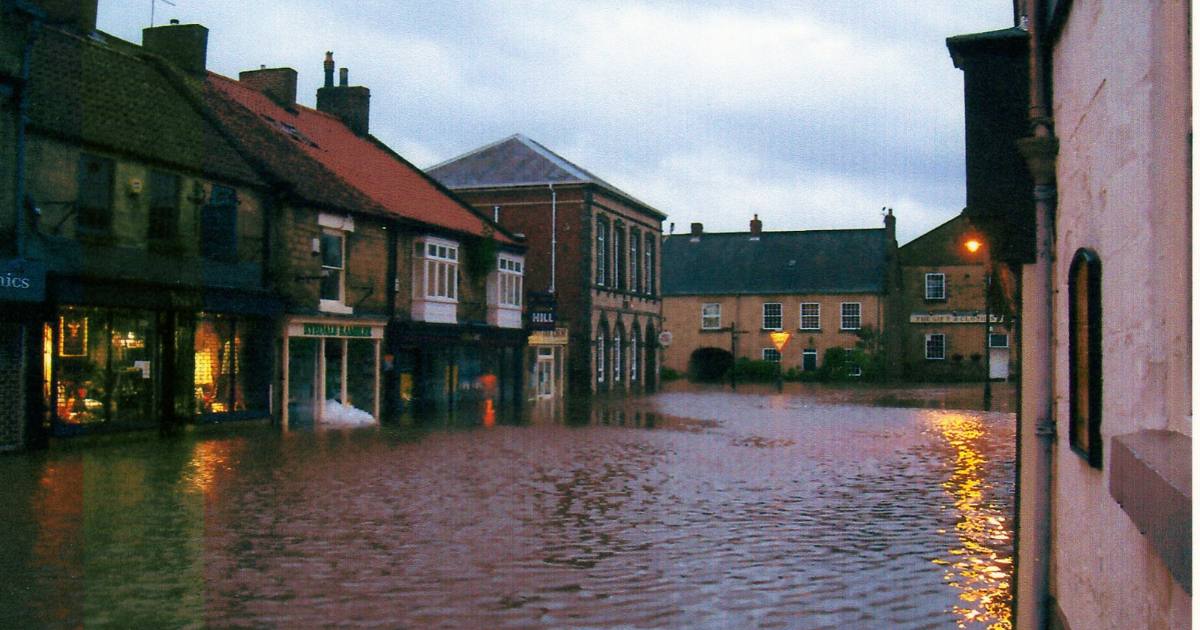
- Flood and Heat Resilience Fund. We will provide $75 million a year, through the existing Community Emergency Preparedness Fund, to pay the local share of dikes, pump stations and cooling centres. This lets communities draw down federal money instead of losing it.Faster help after disasters. We will decide on disaster financial assistance within 60 days of a complete application, with advances of up to $50,000 within 14 days. Farms will get a permanent recovery program, so they can quickly replace livestock, irrigation, orchards and greenhouses after wildfire, flood, drought, extreme heat, frost or disease.
Building BC’s economy
- One project, one review. BC already has a fast-track law for major projects, and the first priority projects are approved. We will make the system faster and simpler: one coordinated review and a 12-month deadline for provincial decisions. We will publish the next list of priority projects. Within 90 days of taking office, we will begin talks to renew the Canada–BC “one project, one review” agreement, with an agreement within the first year.
- Liquefied natural gas (LNG) and critical minerals. We will back LNG projects that have First Nations partners and a credible plan to be net-zero ready, as BC requires. We will make permitting decisions on 10 new mines by 2030, with a target of 3 processing facilities by 2032. We will expand BC Hydro by at least 2,000 megawatts by 2033 to power new industry. We will keep carbon pricing on large industrial emitters, with no consumer carbon tax.
- We will set long-term Working Forest zones in law, alongside multiple-use and conservation areas, planned with First Nations, communities, workers and industry.
- Less red tape. We will cut provincial regulatory requirements by 25% by 2030, with a one-in, one-out rule after that. By the end of 2028, there will be one online portal for business permits and licences. Routine provincial permits will be decided within 90 days, or they will be deemed approved. A Forestry One-Stop will bring every ministry together to give priority forestry projects one coordinated decision within 90 days. This does not apply to permits that need First Nations consultation or an environmental review.
Power and a made-in-Canada AI economy
- Data centres pay their way. We will keep BC’s limits on how much power goes to data centres. From 2027, any data centre that gets new power must pay a rate that covers the full cost of that power. Sites over 10 megawatts will need a plan to reuse their waste heat. Projects with First Nations equity will get priority, and the results of every power competition will be made public.
How you’ll know it’s working
- Every year, an independent Climate Accountability Office will report to the legislature on whether BC is on track, sector by sector. We will also publish methane survey results, homes upgraded, charger coverage on our highways, and drinking water advisories. If something isn’t working, we will say so and fix it.
Conservative Party of BC
Fisheries
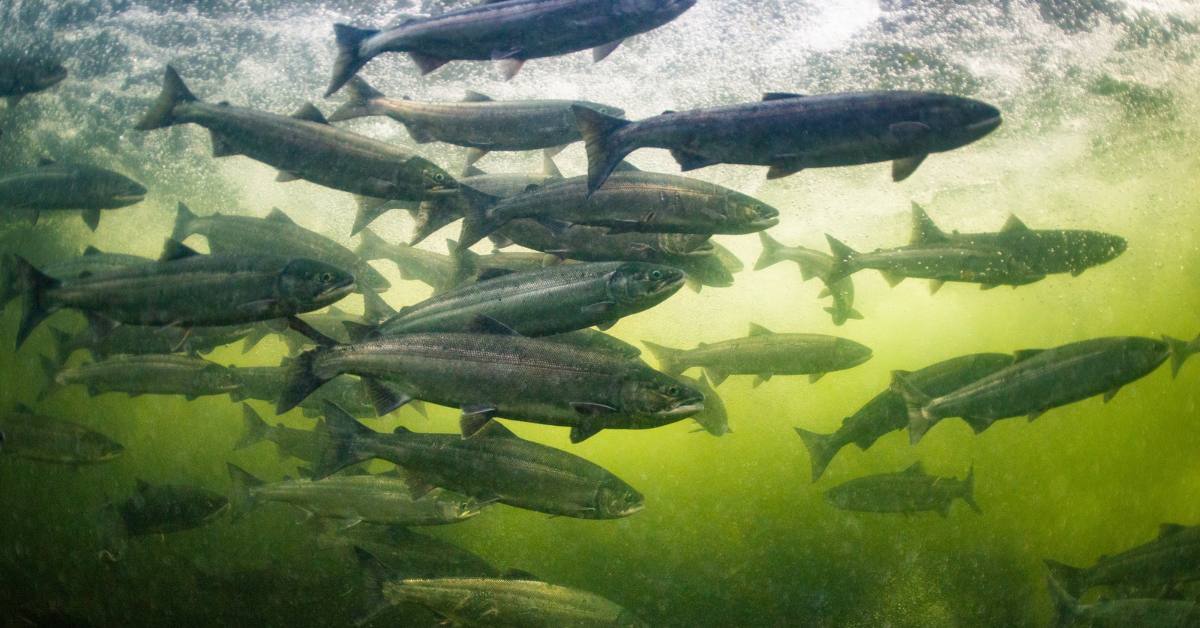
We will manage fisheries based on evidence, including predator pressure and habitat loss, and invest in the habitat restoration that returns salmon to BC rivers.
- Restore salmon stocks through evidence-based consideration of all contributing factors, including predator imbalance.
- Listen to fishing communities, including coastal and Indigenous communities, commercial harvesters and tourism operators.
- Follow the science on aquaculture. We will ask Ottawa to recognize responsibly raised and harvested coastal food as part of BC’s food security and permit responsible aquaculture where evidence demonstrates it does not harm wild salmon.
Farming and food security
- Protect farm water. We will protect existing allocations, enable more storage, accelerate groundwater licensing, provide earlier warnings of water problems and conduct evidence-based triage of the most affected crops, with farmers at the table from the beginning of watershed planning.
Environment, wildfire and conservation
The Conservative Party of BC takes seriously the need to reduce global emissions. That is why every climate decision we make will pass three tests: Does it protect people from fires, floods, heat and drought? Does it cut emissions rather than just move them, and the jobs that go with them, overseas to somewhere dirtier? And what are the measurable results?
- Forest fire budgeting. As part of our Wildfire Action Plan (see A Safer BC), we will budget for wildfire at what it costs and move money upstream towards prevention. This includes active forest management, prescribed and cultural burning, more fuel breaks around communities, predictable FireSmart funding for municipalities and rapid initial attack, with hectares treated reported every year.
- Flood, drought and heat. The same goes for flood, drought and heat: dikes, drainage and water storage for the Fraser Valley, the Interior and the coast.
- Tracking emissions accurately. We will count emissions where they occur and report BC’s emissions alongside emissions avoided through cleaner BC exports. Gas replacing coal overseas reduces global emissions; moving a BC mill to a dirtier jurisdiction does not. The full value of our forests will be counted in our favour as emissions offsets. BC can be a significant part of the global solution through cleaner energy exports.
- Manage wildlife responsibly. Wildlife management will be science-based, with hunters, anglers and First Nations at the table. We will establish sustainable fish and wildlife population objectives; dedicate licence and tag revenue to an independent fish and wildlife commission; put more conservation officers in the field; and enact a made-in-BC species-at-risk law so BC habitat decisions are made here rather than imposed by Ottawa.
- Pride in our parks. Our natural landscape is one of our greatest assets and it must be preserved for all British Columbians. We will increase enforcement to keep parks and wilderness pristine and crack down on illegal dumping, graffiti and vandalism.
- Sustainable environmental protections. We will establish one set of outcome-based rules, scaled to a project’s footprint and decided on published timelines. Where affected First Nations hold an ownership stake, their agreement will be on the record and the assessment will proceed on that basis.
Get our vital forestry sector back to work
- Speed up permits. We will immediately simplify harvest approvals while protecting the environment. We will establish a provincial major-project-style process for forestry permits, approvals and investment. Decisions will take months, not years, with a single-window consultation hub giving First Nations one door for referrals and proponents one clock.
- Resolve the old growth deferrals, which have dragged on under the NDP. We will protect original old growth and the most endangered and rarest ecosystems and return remaining land to the working forest.
- Bring back common-sense forest management, reflecting the unique ecology of each region, restore forest health, and reduce wildfire risk.
Become an energy superpower
- Double natural gas production by 2032 and triple it by 2035. This will generate tens of thousands of jobs and at least $6 billion a year in revenue for the province, while we displace global emissions from dirtier energy sources with our cleaner natural gas.
- Expand the port, rail and transportation capacity that connects Canadian producers to the world. We will increase rail capacity through the Fraser Canyon, advance key rail grade separations in the Lower Mainland in communities such as Maple Ridge and Coquitlam, and support the expansion of Roberts Bank and the Port of Prince Rupert with the road and rail connections they need.
- Work with First Nations and industry to bring new mines, LNG facilities and other major projects from proposal to decision faster, with clear standards and dependable timelines.
- Make BC the fastest place in North America to permit a mine and an LNG facility, and report publicly on our progress every year.
Mining and critical minerals
- Legislate permitting and approval certainty, with fixed timelines, “one project, one review” approvals, and quarterly reporting of progress on each project. Exploration permits will operate on the same principle, with timelines matching or beating competing Canadian jurisdictions.
- Map for growth. We will identify where exploration is welcome and keep it open, with land-use planning enabling responsible exploration.
- Maintain high environmental, safety and reclamation standards. Faster decisions do not mean weaker rules. You build it, you clean it.
Renewables
Hydro is the backbone of BC’s energy supply. Our dams already provide much of our clean, affordable, renewable power, and a Conservative government will keep backing the sector. As we expand supply, we also have to manage emissions. Every renewable technology gets a fair look for a place on the grid, as long as it can be shown to be as reliable and affordable and environmentally friendly as the alternatives.
- Wind, solar and run-of-river hydro: Support development where economics and reliability make sense for BC
Protect communities before disaster strikes
We will invest in wildfire prevention, early detection and community protection, improve readiness for floods and drought, and support responsible stewardship of forests, wildlife and watersheds.
- Wildfire Response Cabinet Committee: To coordinate government resources and prepare for Summer 2027, chaired by the Premier, with a mandate to implement the BC Wildfire Action Plan and coordinate quickly and nimbly with local municipal leaders and emergency responders fighting large and out-of-control wildfires.
- $400M Wildfire Aircraft Fleet Expansion: Secure delivery of new aerial firefighting capabilities, including waterbombers to create a BC-based firefighting fleet to supplement existing contracted services.
- $100M Wildfire Innovation Fund: To fund the development and procurement of technology here in BC for the early detection, monitoring, suppression and prevention of wildfires, which will reduce long-term damage and cost.
- Community Protection Forestry: A set share of timber allocation will go into a dedicated pool to clear out high-risk areas. The resource will pay for the work, the work will create local jobs, and the jobs will protect the community.
CleanBC
- Repeal CleanBC to remove barriers to investment and growth, keeping a carbon price on large industrial emitters and the revenue it raises.
Make BC a place to build
- Work with industry in good faith. We will end the culture of suspicion that treats job creators and the builders of our economy like the bad guys. We will work with the civil service to enact a cultural shift towards working with industry in good faith, with a shared goal of “getting to yes” while upholding the high ethical and environmental standards expected by British Columbians.
- Streamlining government. We will cut the costs that the province itself adds to every project. We will trust qualified professionals to do the work they are certified to do, as happened before 2018. And we will impose no PST on the construction of designated major projects until they are in service, so tax arrives with the revenue.
How to vote
Election Day is Saturday, October 24, 2026. The information below is from Elections BC and was checked on October 19.
Who can vote
You can vote if you are a Canadian citizen, will be at least 18 on October 24, 2026, and have lived in BC since April 23, 2026.
Elections BC eligibility and registration
Registration
Registration online and by phone has closed. If you are not registered, you can register in person when you vote. For questions about your registration or voter information, call Elections BC at 1-800-661-8683.
Elections BC registration information
Advance voting
Advance voting runs October 16–21, from 8 a.m. to 8 p.m. local time. You can use any advance voting location. Some locations open on only certain days, so check the dates and hours before you go.
Election Day
Vote on Saturday, October 24, from 8 a.m. to 8 p.m. Pacific time. Your assigned voting place is listed on your Where to Vote card and in Elections BC’s Where to Vote app.
Find your Election Day voting place
Other ways to vote
You can vote at a district electoral office until 4 p.m. Pacific time on October 24. Online and phone requests for mail voting packages closed October 18. If you already have a package, Elections BC must receive it by 8 p.m. Pacific time on October 24. You can return it at any district electoral office or voting place.
What identification to bring
Bring identification that proves your identity and home address. A BC driver’s licence or BCID is one option. You can also show two accepted documents with your name on both and your current address on at least one. Vouching is another option for voters without ID. Check Elections BC’s full identification rules before you go.
See accepted identification and vouching options
Read the full party platforms here
Share This Story!