Wild salmon defenders across British Columbia are celebrating. On January 29, 2026, the Federal Court of Appeal dismissed the appeal by Mowi, a Norway-based salmon farming company, confirming that open-net pen farms will remain banished from the Discovery Islands on B.C.’s southern coast.
At its core, this case was about whether our federal Fisheries Minister was legally allowed to refuse salmon farm licences in the Discovery Islands based on conservation concerns.
In plain terms, the highest court that could hear this case, short of the Supreme Court, has now agreed that protecting wild salmon comes first, even when a large, foreign-owned company strongly disagrees.
Why the Discovery Islands Matter
The Discovery Islands sit in a narrow stretch of ocean that young Fraser River salmon and many other populations must pass through as they migrate northward. For years, scientists, First Nations, and conservation groups have warned that open-net salmon farms in this corridor increase the risk of parasites and disease spreading to wild fish.

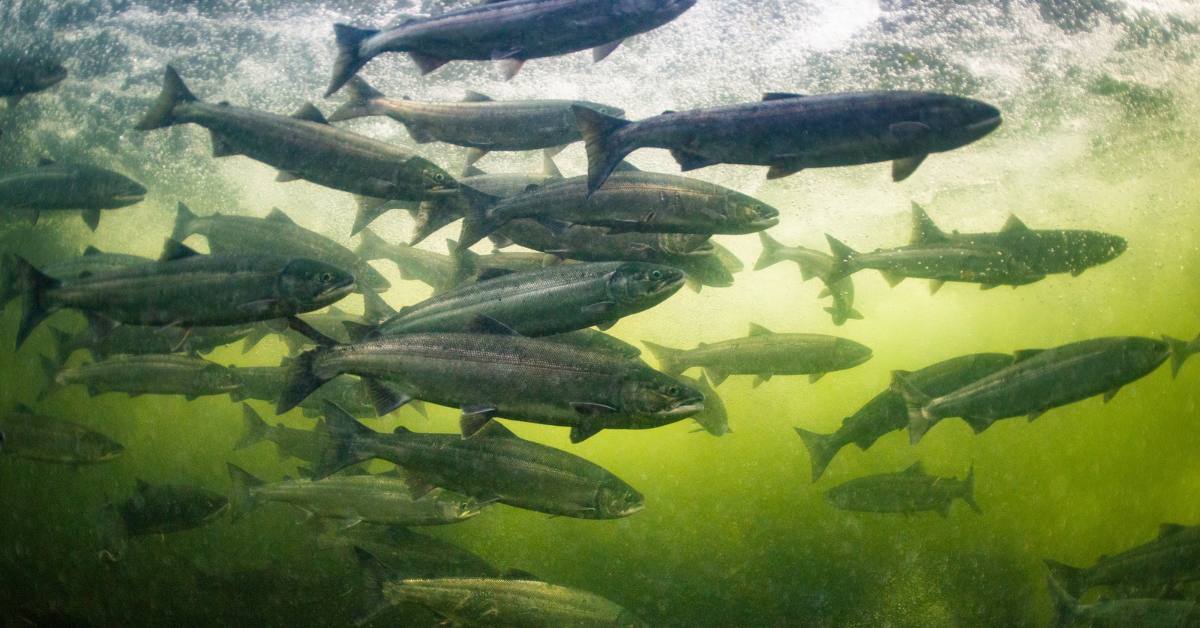
Juvenile salmon in the Discovery Islands before and after the removal of fish-farms
Photos: Tavish Campbell (L) | WWSS Staff (R)
The combination of geography, location, and risk to juvenile wild salmon is why the Discovery Islands became a focal point for efforts to remove salmon farms.

It was recommended that farms be removed from the Discovery Islands unless it could be shown they pose no more than minimal risk to Fraser River sockeye. Photo: Tavish Campbell
How We Got Here
This ruling is the latest step in a long fight over whether salmon farms should operate in the Discovery Islands.
-
2012: The Commission of Inquiry into the Decline of Sockeye Salmon in the Fraser River, commonly known as the Cohen Commission, recommended that salmon farms be removed from the Discovery Islands unless it could be shown they pose no more than minimal risk to migrating Fraser River sockeye.
- 2020: The federal government announced it would remove open-net salmon farms from the Discovery Islands after consulting local First Nations.
- 2021–2022: Salmon farming companies challenged that decision in court. The Court found the process for the decision was unfair and it was sent back to the federal government for reconsideration.
- 2023: After further consultation, the government again refused to re-issue licences for Discovery Islands farms, citing risks to wild salmon.
- 2024–2026: Fish farming companies took the federal government back to court, but the decision was upheld, first at the Federal Court, and now at the Federal Court of Appeal.
What the Judges Said
Interestingly, when I attended the hearing last year, I didn’t realize that the Federal Court of Appeal typically hears cases with three judges. After reading the decision, the Federal Court of Appeal’s ruling is straightforward and unambiguous.
In introducing his decision, Chief Justice de Montigny wrote:
“For the reasons that follow, I am of the view that the appeal must fail.”
The Court agreed that the Fisheries Minister was allowed to take a precautionary approach to protect wild salmon, even though there was disagreement within government and industry about the science.
The judges recognized how serious the situation is for wild salmon stocks and why caution was justified:
“In light of the dire consequences that the declining stock of wild salmon may have… it was understandable for the Minister to take a highly precautionary approach.”
In other words, when wild salmon are in trouble, the Minister does not have to wait for perfect certainty before acting.

A fish farm sits fallow in the Discovery Islands in 2022.
The Court also confirmed that the Minister was not required to simply follow departmental or industry advice if she reasonably believed stronger action was needed:
“The Minister was entitled to look beyond the information and advice provided by her department.”
That conclusion is important far beyond this single court case.

Photo: Tavish Campbell
Why This Decision Matters
This ruling does more than keep fish farms out of one sensitive area.
It confirms that the federal government has the legal authority to protect wild salmon. It confirms that precautionary decision-making is lawful, even when companies argue it hurts their business. And it shows that courts will back conservation decisions made in the public interest when those decisions are well-reasoned and transparent.
I also believe this decision marks a clear rejection of the salmon farming industry’s long-running strategy of suing governments to delay or weaken action to protect wild fish.
What Happens Next
With this decision, Mowi has no automatic right to appeal further. A remaining option would be for Mowi to ask the Supreme Court of Canada to hear the case, something the Court agrees to in only a small number of cases each year.
For now, the message from the courts is clear. Protecting wild salmon is not only the right thing to do, it is the lawful thing to do.
I also hope this decision discourages Norway-based salmon farming companies from continuing to exploit our coast and drain Canadian taxpayer dollars through repeated legal challenges.
This win belongs to everyone who stood up for wild salmon, supported Indigenous leadership and independent science, and refused to be intimidated by the salmon farming industry’s bullying tactics and pressure. It strengthens the legal foundation for finishing the job and getting the remaining factory salmon farms out of B.C. coastal waters for good. Special thanks to the legal team at Ecojustice for representing us and our allies in this case.
Please take a minute to remind your Member of Parliament about the federal government’s promise to remove the remaining factory fish farms from B.C.’s coastal waters. We’re winning and we can finish this job together!
Share This Story!
Wild salmon defenders across British Columbia are celebrating. On January 29, 2026, the Federal Court of Appeal dismissed the appeal by Mowi, a Norway-based salmon farming company, confirming that open-net pen farms will remain banished from the Discovery Islands on B.C.’s southern coast.
At its core, this case was about whether our federal Fisheries Minister was legally allowed to refuse salmon farm licences in the Discovery Islands based on conservation concerns.
In plain terms, the highest court that could hear this case, short of the Supreme Court, has now agreed that protecting wild salmon comes first, even when a large, foreign-owned company strongly disagrees.
Why the Discovery Islands Matter
The Discovery Islands sit in a narrow stretch of ocean that young Fraser River salmon and many other populations must pass through as they migrate northward. For years, scientists, First Nations, and conservation groups have warned that open-net salmon farms in this corridor increase the risk of parasites and disease spreading to wild fish.
Juvenile salmon in the Discovery Islands before and after the removal of fish-farms
Photos: Tavish Campbell (L) | WWSS Staff (R)
The combination of geography, location, and risk to juvenile wild salmon is why the Discovery Islands became a focal point for efforts to remove salmon farms.
It was recommended that farms be removed from the Discovery Islands unless it could be shown they pose no more than minimal risk to Fraser River sockeye. Photo: Tavish Campbell
How We Got Here
This ruling is the latest step in a long fight over whether salmon farms should operate in the Discovery Islands.
-
2012: The Commission of Inquiry into the Decline of Sockeye Salmon in the Fraser River, commonly known as the Cohen Commission, recommended that salmon farms be removed from the Discovery Islands unless it could be shown they pose no more than minimal risk to migrating Fraser River sockeye.
- 2020: The federal government announced it would remove open-net salmon farms from the Discovery Islands after consulting local First Nations.
- 2021–2022: Salmon farming companies challenged that decision in court. The Court found the process for the decision was unfair and it was sent back to the federal government for reconsideration.
- 2023: After further consultation, the government again refused to re-issue licences for Discovery Islands farms, citing risks to wild salmon.
- 2024–2026: Fish farming companies took the federal government back to court, but the decision was upheld, first at the Federal Court, and now at the Federal Court of Appeal.
What the Judges Said
Interestingly, when I attended the hearing last year, I didn’t realize that the Federal Court of Appeal typically hears cases with three judges. After reading the decision, the Federal Court of Appeal’s ruling is straightforward and unambiguous.
In introducing his decision, Chief Justice de Montigny wrote:
“For the reasons that follow, I am of the view that the appeal must fail.”
The Court agreed that the Fisheries Minister was allowed to take a precautionary approach to protect wild salmon, even though there was disagreement within government and industry about the science.
The judges recognized how serious the situation is for wild salmon stocks and why caution was justified:
“In light of the dire consequences that the declining stock of wild salmon may have… it was understandable for the Minister to take a highly precautionary approach.”
In other words, when wild salmon are in trouble, the Minister does not have to wait for perfect certainty before acting.
A fish farm sits fallow in the Discovery Islands in 2022.
The Court also confirmed that the Minister was not required to simply follow departmental or industry advice if she reasonably believed stronger action was needed:
“The Minister was entitled to look beyond the information and advice provided by her department.”
That conclusion is important far beyond this single court case.
Photo: Tavish Campbell
Why This Decision Matters
This ruling does more than keep fish farms out of one sensitive area.
It confirms that the federal government has the legal authority to protect wild salmon. It confirms that precautionary decision-making is lawful, even when companies argue it hurts their business. And it shows that courts will back conservation decisions made in the public interest when those decisions are well-reasoned and transparent.
I also believe this decision marks a clear rejection of the salmon farming industry’s long-running strategy of suing governments to delay or weaken action to protect wild fish.
What Happens Next
With this decision, Mowi has no automatic right to appeal further. A remaining option would be for Mowi to ask the Supreme Court of Canada to hear the case, something the Court agrees to in only a small number of cases each year.
For now, the message from the courts is clear. Protecting wild salmon is not only the right thing to do, it is the lawful thing to do.
I also hope this decision discourages Norway-based salmon farming companies from continuing to exploit our coast and drain Canadian taxpayer dollars through repeated legal challenges.
This win belongs to everyone who stood up for wild salmon, supported Indigenous leadership and independent science, and refused to be intimidated by the salmon farming industry’s bullying tactics and pressure. It strengthens the legal foundation for finishing the job and getting the remaining factory salmon farms out of B.C. coastal waters for good. Special thanks to the legal team at Ecojustice for representing us and our allies in this case.
Please take a minute to remind your Member of Parliament about the federal government’s promise to remove the remaining factory fish farms from B.C.’s coastal waters. We’re winning and we can finish this job together!
Share This Story!
Wild salmon defenders across British Columbia are celebrating. On January 29, 2026, the Federal Court of Appeal dismissed the appeal by Mowi, a Norway-based salmon farming company, confirming that open-net pen farms will remain banished from the Discovery Islands on B.C.’s southern coast.
At its core, this case was about whether our federal Fisheries Minister was legally allowed to refuse salmon farm licences in the Discovery Islands based on conservation concerns.
In plain terms, the highest court that could hear this case, short of the Supreme Court, has now agreed that protecting wild salmon comes first, even when a large, foreign-owned company strongly disagrees.
Why the Discovery Islands Matter
The Discovery Islands sit in a narrow stretch of ocean that young Fraser River salmon and many other populations must pass through as they migrate northward. For years, scientists, First Nations, and conservation groups have warned that open-net salmon farms in this corridor increase the risk of parasites and disease spreading to wild fish.
Juvenile salmon in the Discovery Islands before and after the removal of fish-farms
Photos: Tavish Campbell (L) | WWSS Staff (R)
The combination of geography, location, and risk to juvenile wild salmon is why the Discovery Islands became a focal point for efforts to remove salmon farms.
It was recommended that farms be removed from the Discovery Islands unless it could be shown they pose no more than minimal risk to Fraser River sockeye. Photo: Tavish Campbell
How We Got Here
This ruling is the latest step in a long fight over whether salmon farms should operate in the Discovery Islands.
-
2012: The Commission of Inquiry into the Decline of Sockeye Salmon in the Fraser River, commonly known as the Cohen Commission, recommended that salmon farms be removed from the Discovery Islands unless it could be shown they pose no more than minimal risk to migrating Fraser River sockeye.
- 2020: The federal government announced it would remove open-net salmon farms from the Discovery Islands after consulting local First Nations.
- 2021–2022: Salmon farming companies challenged that decision in court. The Court found the process for the decision was unfair and it was sent back to the federal government for reconsideration.
- 2023: After further consultation, the government again refused to re-issue licences for Discovery Islands farms, citing risks to wild salmon.
- 2024–2026: Fish farming companies took the federal government back to court, but the decision was upheld, first at the Federal Court, and now at the Federal Court of Appeal.
What the Judges Said
Interestingly, when I attended the hearing last year, I didn’t realize that the Federal Court of Appeal typically hears cases with three judges. After reading the decision, the Federal Court of Appeal’s ruling is straightforward and unambiguous.
In introducing his decision, Chief Justice de Montigny wrote:
“For the reasons that follow, I am of the view that the appeal must fail.”
The Court agreed that the Fisheries Minister was allowed to take a precautionary approach to protect wild salmon, even though there was disagreement within government and industry about the science.
The judges recognized how serious the situation is for wild salmon stocks and why caution was justified:
“In light of the dire consequences that the declining stock of wild salmon may have… it was understandable for the Minister to take a highly precautionary approach.”
In other words, when wild salmon are in trouble, the Minister does not have to wait for perfect certainty before acting.
A fish farm sits fallow in the Discovery Islands in 2022.
The Court also confirmed that the Minister was not required to simply follow departmental or industry advice if she reasonably believed stronger action was needed:
“The Minister was entitled to look beyond the information and advice provided by her department.”
That conclusion is important far beyond this single court case.
Photo: Tavish Campbell
Why This Decision Matters
This ruling does more than keep fish farms out of one sensitive area.
It confirms that the federal government has the legal authority to protect wild salmon. It confirms that precautionary decision-making is lawful, even when companies argue it hurts their business. And it shows that courts will back conservation decisions made in the public interest when those decisions are well-reasoned and transparent.
I also believe this decision marks a clear rejection of the salmon farming industry’s long-running strategy of suing governments to delay or weaken action to protect wild fish.
What Happens Next
With this decision, Mowi has no automatic right to appeal further. A remaining option would be for Mowi to ask the Supreme Court of Canada to hear the case, something the Court agrees to in only a small number of cases each year.
For now, the message from the courts is clear. Protecting wild salmon is not only the right thing to do, it is the lawful thing to do.
I also hope this decision discourages Norway-based salmon farming companies from continuing to exploit our coast and drain Canadian taxpayer dollars through repeated legal challenges.
This win belongs to everyone who stood up for wild salmon, supported Indigenous leadership and independent science, and refused to be intimidated by the salmon farming industry’s bullying tactics and pressure. It strengthens the legal foundation for finishing the job and getting the remaining factory salmon farms out of B.C. coastal waters for good. Special thanks to the legal team at Ecojustice for representing us and our allies in this case.
Please take a minute to remind your Member of Parliament about the federal government’s promise to remove the remaining factory fish farms from B.C.’s coastal waters. We’re winning and we can finish this job together!
Share This Story!