Each year, the Watershed Watch team looks forward to welcoming summer staff members who bring their enthusiasm, skills, and curiosity to our work defending wild salmon and healthy watersheds.
This year, we’re especially excited to welcome back Sean Cooper, who is returning as our Outreach and Engagement Assistant after working with Watershed Watch last summer. Returning staff bring something special to the team: familiarity with our work, fresh ideas shaped by new experiences, and an even deeper connection to the communities and watersheds we work to defend.
Over the past year, Sean has continued to grow his skills and interests, and we’re thrilled to have him back helping support outreach, public engagement, and education around wild salmon and watershed issues in British Columbia.
To catch up and help everyone get to know him a little better, we asked Sean a few questions about what he learned last summer and what he’s most looking forward to this season.

Sean Cooper
What brought you back to Watershed Watch for another summer?
I came back because I really enjoyed working with Watershed Watch last year! The organization does such great work defending our wild salmon, and I feel that there is still so much more I can learn and accomplish by working with the team again this year.
What’s something you learned last summer that’s stuck with you?
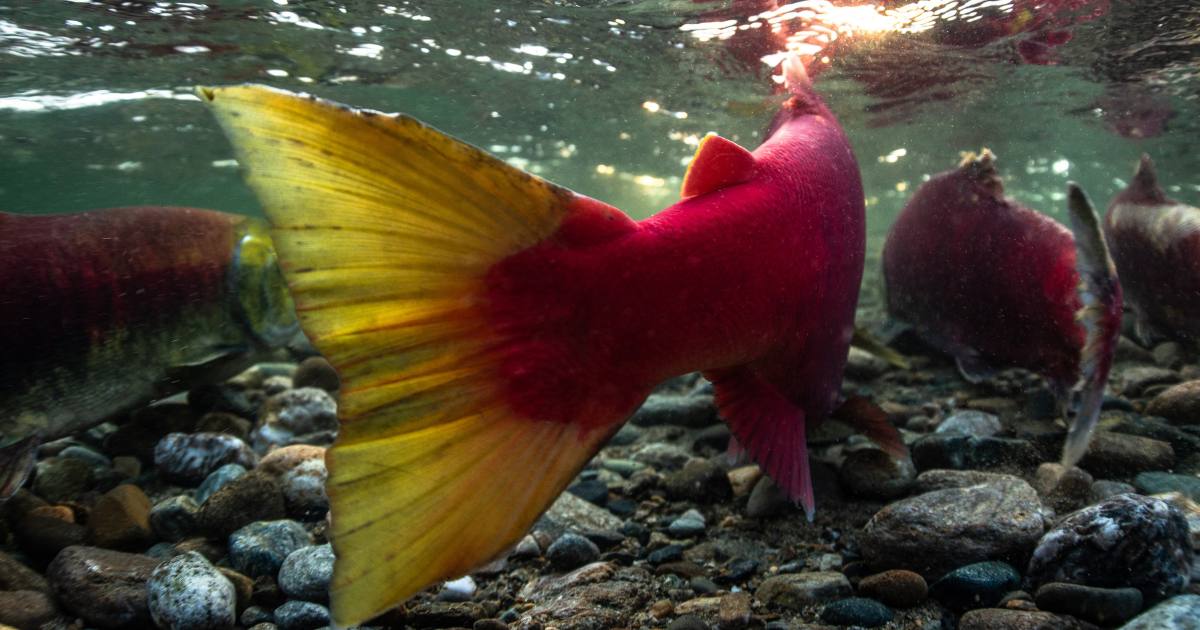
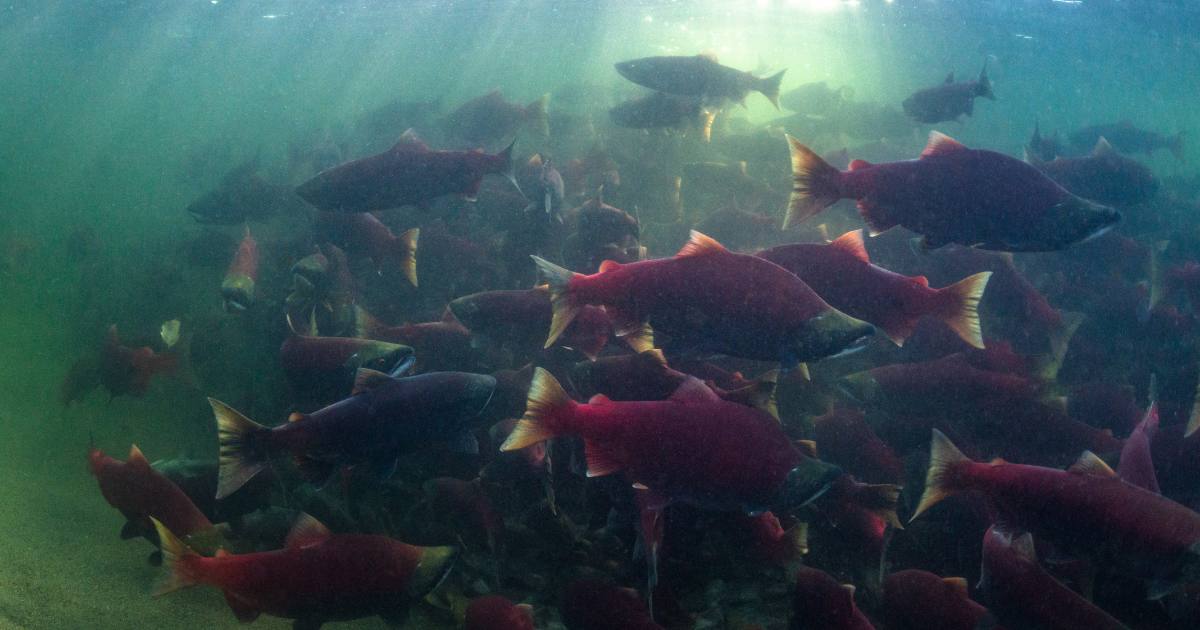
Last year I learned about the decimation of the Coquitlam River sockeye salmon population that resulted from the construction of the Coquitlam Lake dam. Remarkably, I also learned that the descendants of that original population survived as kokanee salmon (land‑locked sockeye), and that efforts are now underway to restore the sockeye of the Coquitlam River using these kokanee as the initial broodstock for a new hatchery.
This story stuck with me, in part because it showed how resilient Pacific salmon can be. These fish face threats from human activity at every life stage, including floodgates cutting them off from rearing habitat, coastal fish farms exposing them to disease, unsustainable industrial fishing depleting their stocks, and dams blocking their path upriver to their spawning grounds. Although their populations have declined significantly in many cases as a result of all of these impacts and the dozens more I haven’t mentioned, the fact that BC’s wild salmon populations have managed to persist at all is amazing. While the recovery efforts are still in the early stages, and the extent of their overall success is still uncertain, the story of the Coquitlam River sockeye makes me optimistic that if we take care of our wild salmon, their populations may be able to rebound and perhaps even thrive again for generations to come.
What was your favourite memory or project from last summer?
I had a lot of fun supporting the data collection for Resilient Waters because I got to see and learn about so many different freshwater fish species in my area, and I got hands-on experience with fieldwork, giving me a glimpse of what my dream career might be like working as an environmental scientist.
What’s one issue or challenge you’re paying more attention to this year?
I would like to learn more about how our flood infrastructure is cutting off salmon from their freshwater habitats in the lower Fraser. Being a local issue makes it particularly interesting to me, and by paying more attention to these local issues, I think I might be able to better connect with community members and other environmental groups.
Outside of work, what are you looking forward to this summer?
I am looking forward to spending quality time outdoors, camping, swimming, and hiking with my family and friends.
Thanks Sean, and welcome back!
Share This Story!
Each year, the Watershed Watch team looks forward to welcoming summer staff members who bring their enthusiasm, skills, and curiosity to our work defending wild salmon and healthy watersheds.
This year, we’re especially excited to welcome back Sean Cooper, who is returning as our Outreach and Engagement Assistant after working with Watershed Watch last summer. Returning staff bring something special to the team: familiarity with our work, fresh ideas shaped by new experiences, and an even deeper connection to the communities and watersheds we work to defend.
Over the past year, Sean has continued to grow his skills and interests, and we’re thrilled to have him back helping support outreach, public engagement, and education around wild salmon and watershed issues in British Columbia.
To catch up and help everyone get to know him a little better, we asked Sean a few questions about what he learned last summer and what he’s most looking forward to this season.
Sean Cooper
What brought you back to Watershed Watch for another summer?
I came back because I really enjoyed working with Watershed Watch last year! The organization does such great work defending our wild salmon, and I feel that there is still so much more I can learn and accomplish by working with the team again this year.
What’s something you learned last summer that’s stuck with you?
Last year I learned about the decimation of the Coquitlam River sockeye salmon population that resulted from the construction of the Coquitlam Lake dam. Remarkably, I also learned that the descendants of that original population survived as kokanee salmon (land‑locked sockeye), and that efforts are now underway to restore the sockeye of the Coquitlam River using these kokanee as the initial broodstock for a new hatchery.
This story stuck with me, in part because it showed how resilient Pacific salmon can be. These fish face threats from human activity at every life stage, including floodgates cutting them off from rearing habitat, coastal fish farms exposing them to disease, unsustainable industrial fishing depleting their stocks, and dams blocking their path upriver to their spawning grounds. Although their populations have declined significantly in many cases as a result of all of these impacts and the dozens more I haven’t mentioned, the fact that BC’s wild salmon populations have managed to persist at all is amazing. While the recovery efforts are still in the early stages, and the extent of their overall success is still uncertain, the story of the Coquitlam River sockeye makes me optimistic that if we take care of our wild salmon, their populations may be able to rebound and perhaps even thrive again for generations to come.
What was your favourite memory or project from last summer?
I had a lot of fun supporting the data collection for Resilient Waters because I got to see and learn about so many different freshwater fish species in my area, and I got hands-on experience with fieldwork, giving me a glimpse of what my dream career might be like working as an environmental scientist.
What’s one issue or challenge you’re paying more attention to this year?
I would like to learn more about how our flood infrastructure is cutting off salmon from their freshwater habitats in the lower Fraser. Being a local issue makes it particularly interesting to me, and by paying more attention to these local issues, I think I might be able to better connect with community members and other environmental groups.
Outside of work, what are you looking forward to this summer?
I am looking forward to spending quality time outdoors, camping, swimming, and hiking with my family and friends.
Thanks Sean, and welcome back!
Share This Story!
Each year, the Watershed Watch team looks forward to welcoming summer staff members who bring their enthusiasm, skills, and curiosity to our work defending wild salmon and healthy watersheds.
This year, we’re especially excited to welcome back Sean Cooper, who is returning as our Outreach and Engagement Assistant after working with Watershed Watch last summer. Returning staff bring something special to the team: familiarity with our work, fresh ideas shaped by new experiences, and an even deeper connection to the communities and watersheds we work to defend.
Over the past year, Sean has continued to grow his skills and interests, and we’re thrilled to have him back helping support outreach, public engagement, and education around wild salmon and watershed issues in British Columbia.
To catch up and help everyone get to know him a little better, we asked Sean a few questions about what he learned last summer and what he’s most looking forward to this season.
Sean Cooper
What brought you back to Watershed Watch for another summer?
I came back because I really enjoyed working with Watershed Watch last year! The organization does such great work defending our wild salmon, and I feel that there is still so much more I can learn and accomplish by working with the team again this year.
What’s something you learned last summer that’s stuck with you?
Last year I learned about the decimation of the Coquitlam River sockeye salmon population that resulted from the construction of the Coquitlam Lake dam. Remarkably, I also learned that the descendants of that original population survived as kokanee salmon (land‑locked sockeye), and that efforts are now underway to restore the sockeye of the Coquitlam River using these kokanee as the initial broodstock for a new hatchery.
This story stuck with me, in part because it showed how resilient Pacific salmon can be. These fish face threats from human activity at every life stage, including floodgates cutting them off from rearing habitat, coastal fish farms exposing them to disease, unsustainable industrial fishing depleting their stocks, and dams blocking their path upriver to their spawning grounds. Although their populations have declined significantly in many cases as a result of all of these impacts and the dozens more I haven’t mentioned, the fact that BC’s wild salmon populations have managed to persist at all is amazing. While the recovery efforts are still in the early stages, and the extent of their overall success is still uncertain, the story of the Coquitlam River sockeye makes me optimistic that if we take care of our wild salmon, their populations may be able to rebound and perhaps even thrive again for generations to come.
What was your favourite memory or project from last summer?
I had a lot of fun supporting the data collection for Resilient Waters because I got to see and learn about so many different freshwater fish species in my area, and I got hands-on experience with fieldwork, giving me a glimpse of what my dream career might be like working as an environmental scientist.
What’s one issue or challenge you’re paying more attention to this year?
I would like to learn more about how our flood infrastructure is cutting off salmon from their freshwater habitats in the lower Fraser. Being a local issue makes it particularly interesting to me, and by paying more attention to these local issues, I think I might be able to better connect with community members and other environmental groups.
Outside of work, what are you looking forward to this summer?
I am looking forward to spending quality time outdoors, camping, swimming, and hiking with my family and friends.
Thanks Sean, and welcome back!
Share This Story!